In today’s fast-paced world, downtime isn’t just inconvenient—it’s expensive. Whether you’re managing a manufacturing plant, overseeing a fleet of vehicles, or running IT systems, unexpected failures can cripple productivity and chip away at profits. The solution? Shift from reactive to proactive maintenance.
The Problem with “Fix-It-When-It-Breaks”
Many organizations still rely heavily on reactive maintenance, addressing problems only after a breakdown occurs. While this might seem cost-effective in the short term, it often results in:
- Unplanned downtime
- Higher repair costs
- Safety risks
- Reduced asset lifespan
- Lost revenue and customer trust
It’s a classic case of being penny-wise but pound-foolish.
Enter Proactive Maintenance
Proactive maintenance flips the script. Instead of waiting for things to go wrong, it focuses on preventing issues before they arise. This strategy includes practices like:
- Scheduled inspections and servicing
- Condition monitoring
- Predictive analytics using IoT and AI
- Root cause analysis
By staying ahead of the curve, businesses can ensure their assets are reliable, efficient, and safe.
The Real-World Impact
Companies that implement proactive maintenance see:
- Up to 30% reduction in maintenance costs
- Increased equipment uptime and reliability
- Longer asset lifespans
- Improved safety and compliance
- Greater operational efficiency
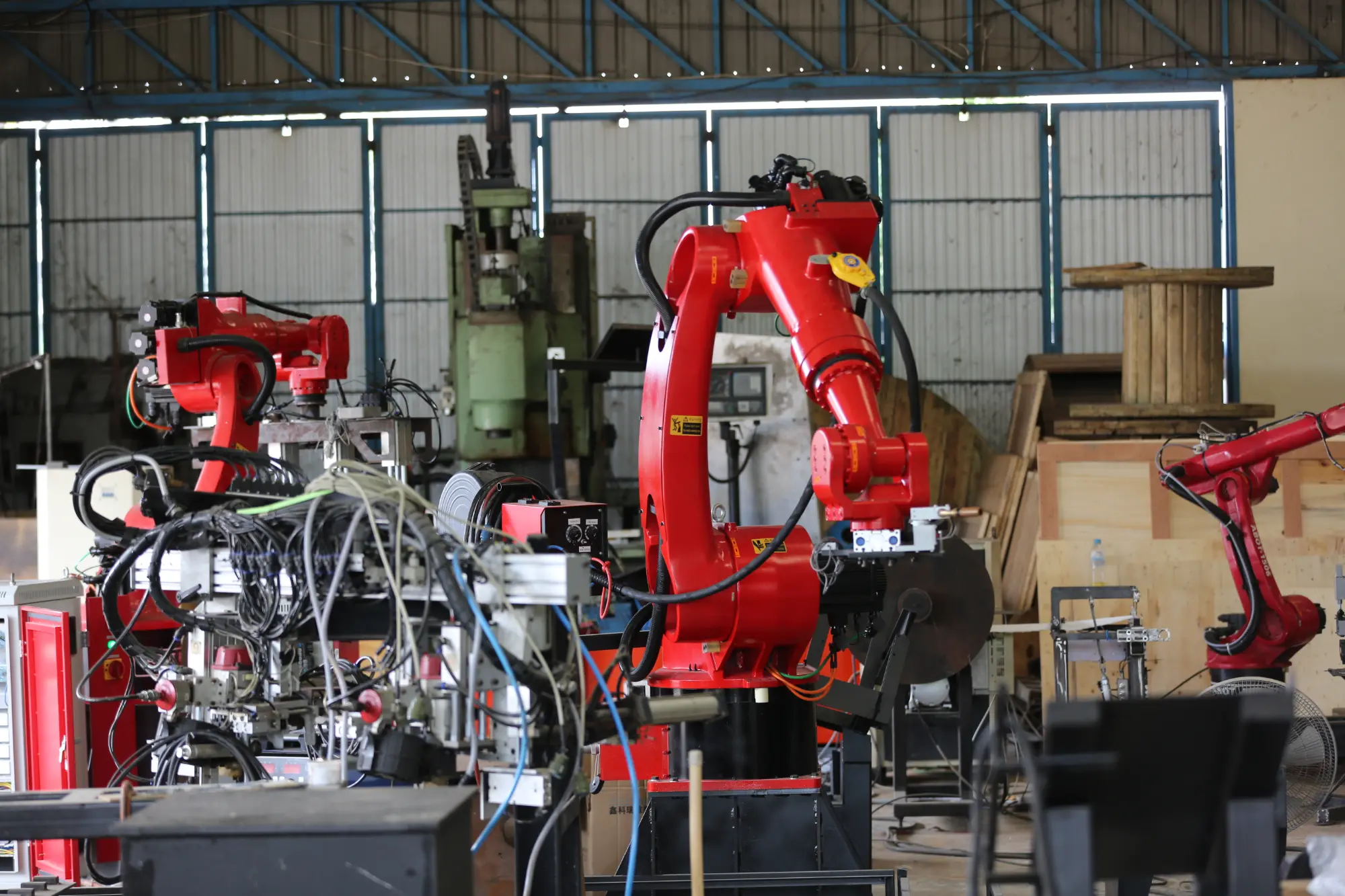
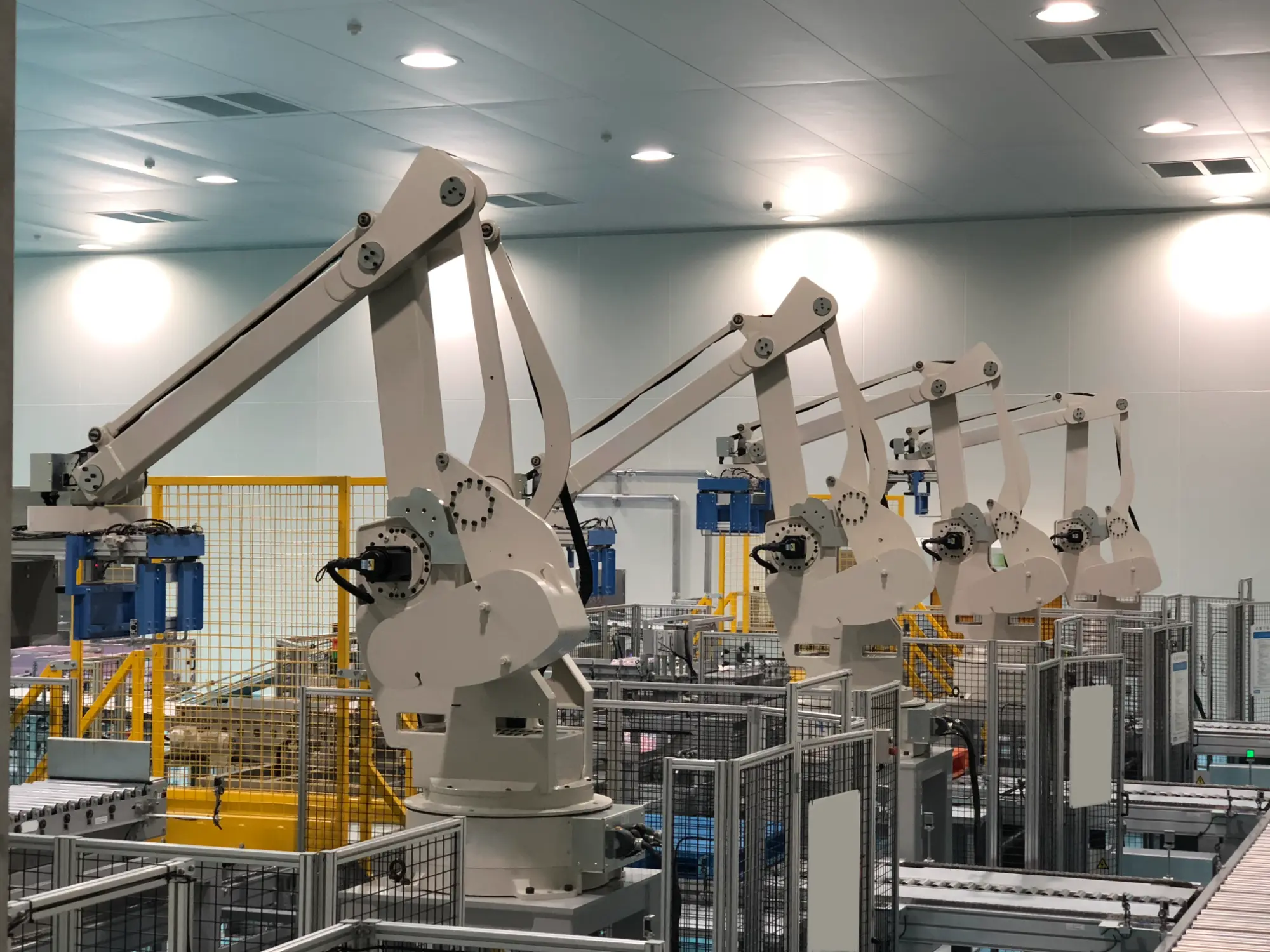
Consider the case of a manufacturing plant that adopted predictive maintenance sensors on its production line. Instead of halting operations when a motor failed, the system flagged unusual vibration patterns in advance, allowing for a quick replacement during scheduled downtime. The result? No delays, no costly emergencies—just smooth operations.
Making the Shift: From Breakdowns to Breakthroughs
Transitioning to proactive maintenance doesn’t happen overnight. It involves:
- Cultural Shift: Moving from a reactive mindset to a preventive one.
- Training and Education: Empowering your teams with the skills and tools they need.
- Investing in Technology: Sensors, analytics software, and CMMS (Computerized Maintenance Management Systems) can be game-changers.
- Data-Driven Decisions: Leveraging data to predict failures and optimize maintenance schedules.
Final Thoughts
Proactive maintenance isn’t just about avoiding problems—it’s about unlocking potential. It’s the key to transforming your operations from a constant cycle of firefighting to a streamlined, intelligent system where efficiency thrives and surprises are rare.
It’s time to stop asking “What broke?” and start asking “What can we prevent?”
From breakdowns to breakthroughs—your journey starts with proactive maintenance.