In today’s fast-paced manufacturing and industrial sectors, efficiency, precision, and uptime are more critical than ever. As industries evolve, so do their maintenance strategies—and automation is at the heart of this transformation. Automation in industrial maintenance is not just a trend; it’s a fundamental shift that is reshaping how organizations ensure operational reliability and performance.
What is Industrial Maintenance Automation?
Industrial maintenance automation refers to the use of technology—such as sensors, artificial intelligence (AI), machine learning (ML), and robotics—to monitor, manage, and maintain equipment with minimal human intervention. This includes predictive maintenance, condition monitoring, and even autonomous repair capabilities.
Benefits of Automation in Maintenance
1. Predictive Maintenance
One of the most significant advantages of automation is predictive maintenance. Through IoT sensors and data analytics, machines can monitor their own performance and alert operators before a failure occurs. This reduces unexpected downtime, lowers maintenance costs, and extends equipment lifespan.
2. Increased Safety
Automated systems can access hazardous environments, perform dangerous tasks, and minimize the need for human presence in risky areas. This dramatically reduces the potential for workplace accidents and injuries.
3. Data-Driven Decision Making
With real-time data from automated systems, maintenance teams can make more informed decisions. This allows for optimized scheduling, better resource allocation, and improved overall asset management.
4. Cost Efficiency
While initial investment in automation technology can be high, the long-term cost savings are significant. Reduced downtime, fewer emergency repairs, and optimized labor contribute to a more efficient maintenance budget.
5. Scalability and Standardization
Automation enables standardized maintenance protocols across multiple sites or facilities, ensuring consistency and easier scalability. It also simplifies compliance with regulations and industry standards.
Key Technologies Driving Maintenance Automation
- IoT (Internet of Things): Connects equipment and systems for real-time monitoring and communication.
- Artificial Intelligence and Machine Learning: Analyze vast amounts of data to predict failures and recommend actions.
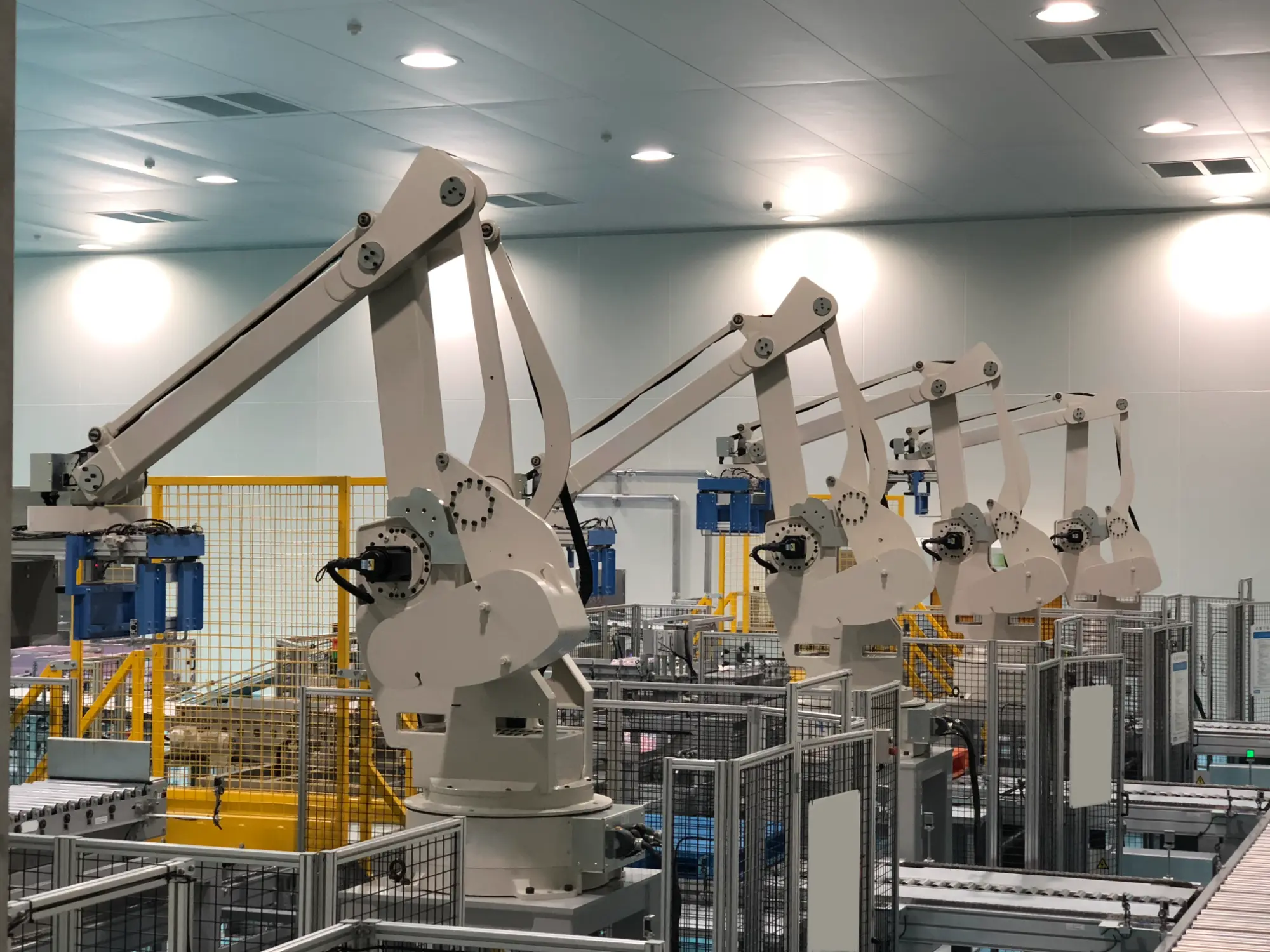
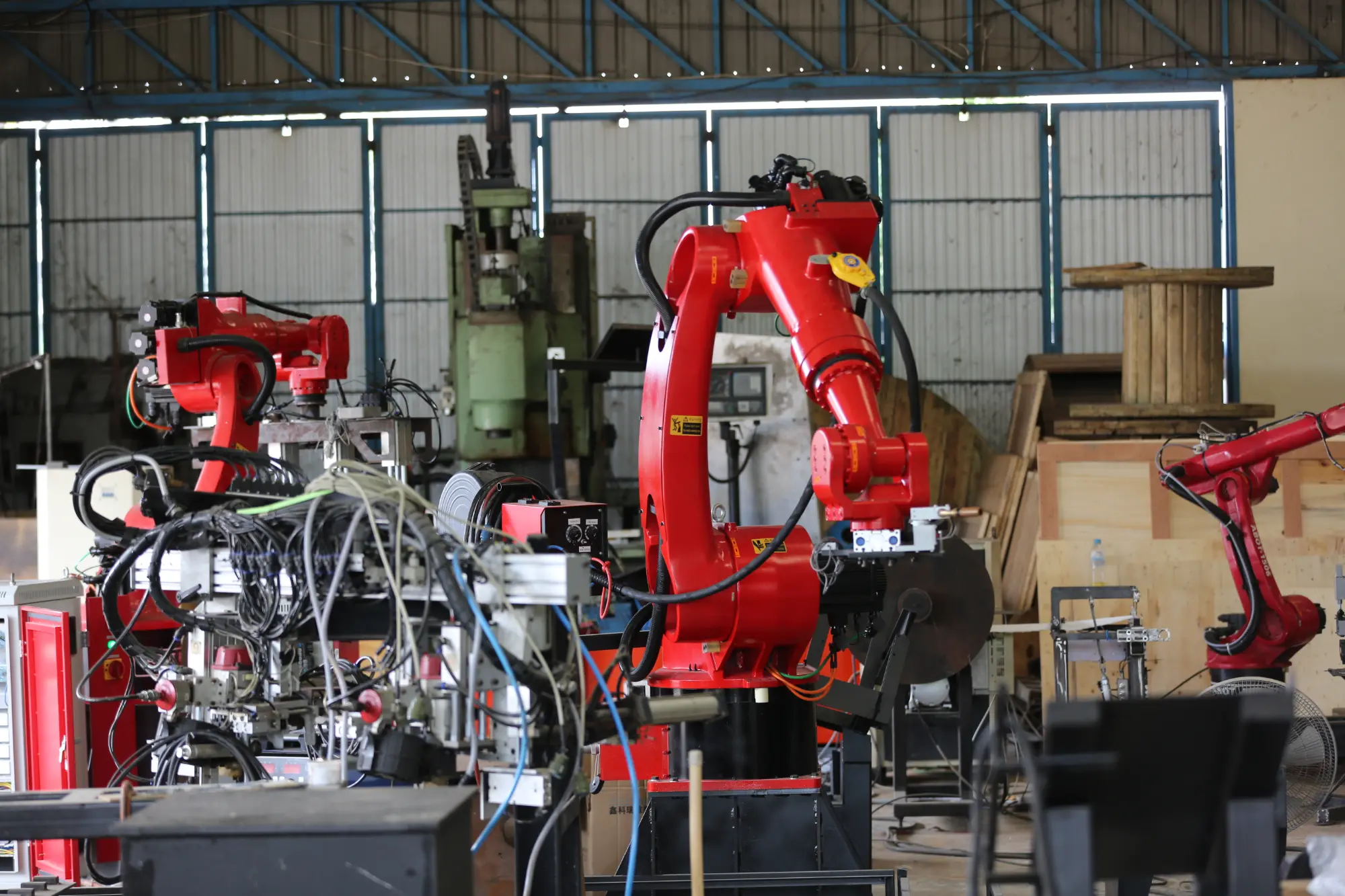
- Robotics: Perform inspections, repairs, and cleaning tasks in hard-to-reach or dangerous areas.
- Digital Twins: Virtual replicas of physical assets that simulate performance and maintenance needs.
- CMMS (Computerized Maintenance Management Systems): Centralize maintenance planning, tracking, and reporting.
Challenges to Consider
Despite its advantages, implementing automation in industrial maintenance comes with challenges:
- High upfront costs
- Need for skilled workers to manage and maintain automated systems
- Cybersecurity risks
- Integration with legacy equipment
However, with proper planning and investment, these hurdles can be overcome, paving the way for a more efficient and resilient maintenance strategy.
The Future of Maintenance is Automated
As industries continue to embrace Industry 4.0, the role of automation in maintenance will only grow. Organizations that invest in smart maintenance technologies today will be better positioned for tomorrow’s demands—achieving greater uptime, safety, and competitive advantage.
Conclusion
Automation is revolutionizing industrial maintenance, turning it from a reactive function into a proactive, strategic asset. By leveraging the latest technologies, businesses can optimize performance, reduce costs, and ensure the longevity of their critical infrastructure. The future is automated—and it’s already here.